
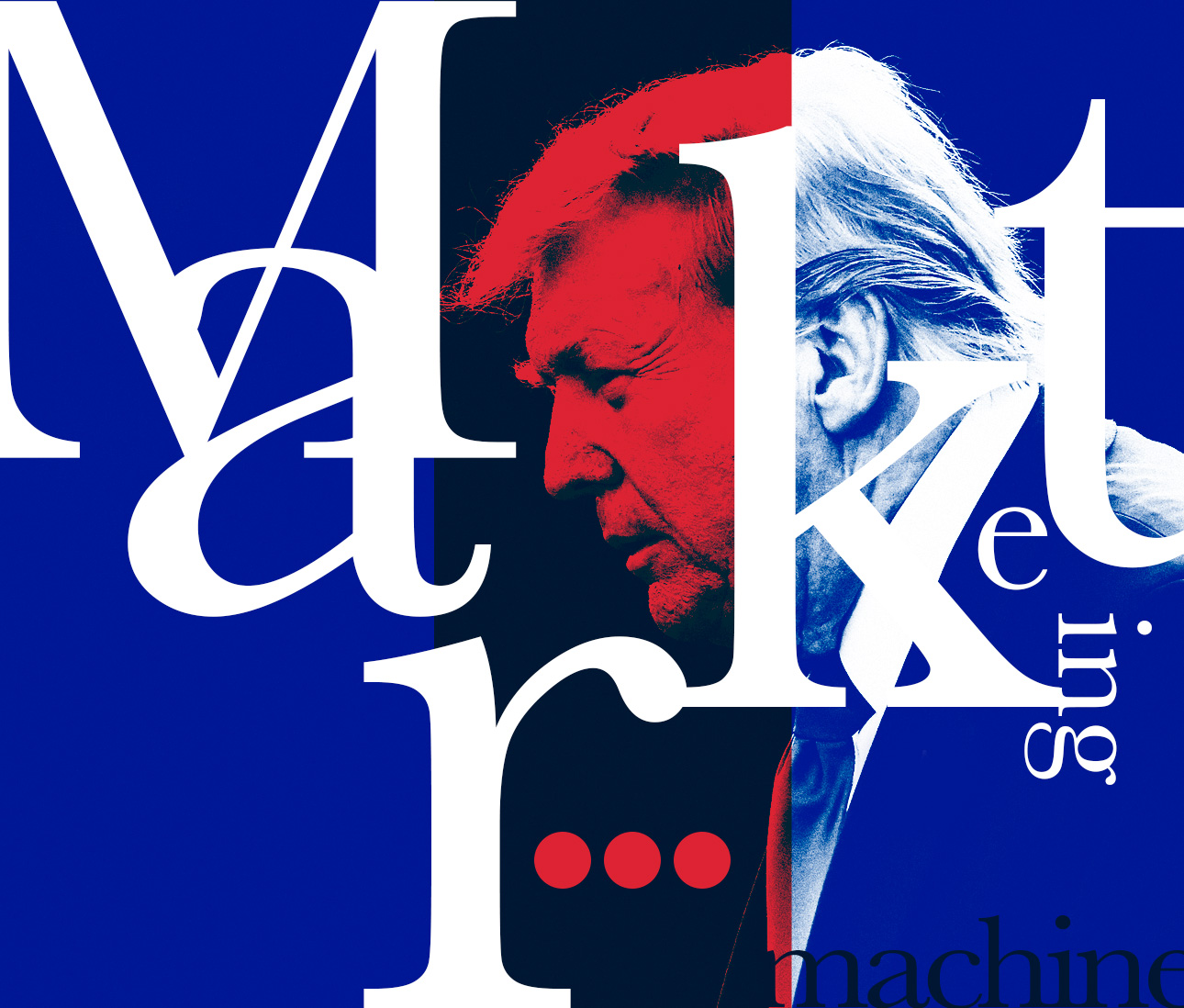
Few political brands in modern history are as powerful—or as divisive—as Donald Trump’s. Supporters see a truth-telling outsider who fights the “establishment.” Critics see a polarizing figure who fuels division and spreads misinformation.
But set all that aside for a moment.
From a pure marketing and campaign strategy perspective, how successful is Trump’s operation? This article takes a neutral, fact-based look at the data: elections won and lost, digital strategy, brand strength, fundraising, and long-term risks.
The Scoreboard: Elections Won, Lost, and What That Means
The most obvious way to judge any political marketing operation is by results at the ballot box.
- 2016: Trump won the presidency despite being outspent by Hillary Clinton and Democratic-aligned groups. This suggests his message, media coverage, and rally presence helped compensate for a financial disadvantage.
- 2020: He lost reelection to Joe Biden. His brand remained strong with his base, but not broad enough to secure a second term.
- 2024: Trump completed a major political comeback, defeating Kamala Harris in an environment increasingly dominated by digital media, influencers, and fragmented information ecosystems.
From a marketing standpoint, that track record says:
- The brand is powerful enough to pull off major wins—even as an underdog on spending.
- It is also not universally scalable. In some cycles, the same brand intensity that drives turnout among supporters also drives turnout against him.
In other words, Trump’s political marketing team has proven it can win, but not that it always will.
Brand Positioning: Clear, Consistent, and Polarizing
Trump’s political identity is built on a few simple, repeated themes:
- An outsider fighting the establishment
- A fighter who “doesn’t back down”
- A blunt truth-teller who rejects political correctness
- A focus on nationalism and “America First”
From a branding perspective, those points are:
- Clear – Voters rarely wonder what Trump stands for.
- Consistent – The core messaging has changed little since 2015.
- Emotionally charged – His image is often tied to identity (“he’s one of us,” “he speaks for people like me”).
This creates a high-intensity brand:
- Strength: Strong loyalty. Supporters often stick with him across scandals and negative coverage.
- Weakness: High negatives. Many voters have firmly unfavorable views, which makes persuasion harder and limits his ceiling among moderates and certain demographics.
Strong brands are often polarizing. Trump’s is no exception.
Digital & Social Media: Where the Campaign Excels
If there’s one area where Trump’s marketing operation is widely seen as innovative, it’s digital and social media.
Always-On Content Strategy
Rather than treating politics as something that happens only in election years, Trump’s ecosystem behaves more like a 24/7 media brand:
- Constant posting and engagement on platforms like X (formerly Twitter), Truth Social, and others
- Viral clips from rallies and interviews
- Rapid-response messaging to news events
This “always-on” approach keeps his brand continuously in front of voters.
Influencer and Ecosystem Power
Trump also benefits from a loose network of influencers and content creators:
- YouTube streamers, podcasters, TikTok creators, and commentators who discuss him daily
- Informal but powerful amplification of campaign narratives
- Content reaching audiences who may not watch traditional news at all
Research shows that a significant share of Americans now get news from online influencers, not just from established outlets. That’s a landscape where Trump’s style and ecosystem are particularly effective.
Platform Usage (Including TikTok)
Even as some Republicans criticized platforms like TikTok, Trump-aligned content has circulated widely there and on similar short-form apps. These platforms are especially important for reaching younger, mobile-first audiences.
From a marketing lens, the Trump team is highly adaptive to the digital environment, using ecosystems and personalities rather than relying solely on formal campaign accounts.
Advertising, Fundraising, and Targeting: Efficient, Not Dominant
Despite his fame, Trump’s campaigns have not always been the biggest spenders. What stands out is how they spend, not just how much.
Spending Less, Targeting Smarter
Analyses of the 2024 race indicate:
- Democrats collectively outspent Republicans in the presidential contest.
- Trump’s side focused on more precise targeting, particularly on streaming platforms and digital ad networks.
- The strategy often aimed to reach very specific segments (for example, older voters or younger men) rather than blanketing all voters with the same message.
That’s classic performance marketing: fewer dollars, more granular targeting, and a strong emphasis on return on investment.
TV vs. Digital: Different Priorities
While Trump’s opponents have often leaned heavily on television ads, his side has:
- Allocated a larger share of resources to digital, streaming, and social channels.
- Relied on TV ads more strategically in key markets and key time windows, rather than constantly outspending rivals on air.
This reflects a broader shift in political advertising, but Trump’s team has been particularly aggressive in embracing data-driven digital outreach.
Donor Mix and Trends
One area of concern for long-term marketing strength:
- Over time, the share of small-dollar donors (under $200) has fallen compared to earlier cycles like 2016.
- His operation is more reliant on larger contributions than it used to be, which may indicate some grassroots fatigue or changing donor behavior.
The campaign still raises substantial sums—but the composition of that support has evolved.
Earned Media & Rally Culture: Massive Free Exposure
For nearly a decade, Trump’s rallies have become one of the most defining visuals in U.S. politics.
From a marketing standpoint, they deliver:
- Huge earned media: TV coverage, live streams, and endless clips on social platforms
- Brand reinforcement: Chants, slogans, signs, and hats all echo the core brand (“Make America Great Again,” “America First”)
- Community effect: Attending a rally feels like joining a club, which strengthens loyalty and identity
Even critical news coverage still puts Trump center stage. In pure marketing terms, that’s free brand exposure.
The flip side:
- The same events often feature statements critics describe as inflammatory or misleading, which contribute to his high disapproval numbers among non-supporters.
- Over time, this can entrench opposition and make it harder to expand beyond the base.
So while the rally strategy is highly successful at energizing supporters and generating content, it also intensifies polarization.
Weak Spots & Long-Term Brand Risks
No marketing operation is flawless. For Trump’s team, several vulnerabilities are especially notable.
Younger Voters
Trump’s performance with younger voters improved in 2024 compared with 2020. However:
- Early polling during his current term has shown sharp declines in approval among 18–29-year-olds.
- Younger generations are extremely online—and also highly sensitive to issues like climate change, social justice, and personal freedoms, where Trump’s positions and rhetoric can be a tough sell.
Long term, a persistent generation gap can weaken any political brand’s future prospects.
Polarization and High Negatives
The trademark Trump style—confrontational, blunt, and combative—has clear benefits with his base. But it also:
- Drives strong negative reactions among other groups
- Encourages opponents to turn out and vote against him
- Makes it difficult to unite a broader, more moderate coalition when needed
In marketing terms, this is a narrow but deep strategy: you own a segment completely, but you may struggle to grow outside it.
Information Environment and Trust
Trump’s message often circulates in information environments rich in rumors, misleading claims, and partisan narratives. Short-term, that can help shape perceptions. Long-term, it poses risks:
- Erosion of trust among persuadable voters
- Fatigue even among some supporters who feel overwhelmed or misled
- Increased scrutiny and fact-checking from media and institutions
Brands that rely heavily on controversial or questionable content may achieve high engagement, but they also risk long-term reputational damage.
Final Assessment: How Successful Is Trump’s Marketing Team?
Looking at the evidence through a neutral, marketing-focused lens, we can say:
Clear Strengths
- Proven ability to win national elections (2016 and 2024) despite being outspent in key cycles.
- Exceptionally strong personal brand: recognizable, emotionally resonant, and consistent over time.
- Digital and influencer excellence: advanced use of social platforms, content ecosystems, and always-on communication.
- Efficient advertising strategy: often spending less but targeting more precisely, particularly via digital and streaming channels.
- Rally and earned media dominance: large, visually powerful events and near-constant media attention.
Significant Weaknesses and Risks
- High polarization and unfavorable ratings, which limit room for growth and intensify opposition.
- Demographic challenges, especially with younger voters whose long-term preferences will shape future elections.
- Shifts in donor composition, with declining reliance on small-dollar grassroots donors compared to earlier years.
Trust and information issues, as the broader ecosystem around Trump is frequently associated with misinformation and extreme rhetoric.
From a pure marketing perspective, Trump’s operation is:
A highly effective, high-intensity brand machine that trades broad appeal for deep loyalty.
It is capable of delivering major electoral victories and dominating the media environment—but it does so by accepting, and sometimes amplifying, deep political and social division.
Whether that is seen as a success story or a warning sign depends less on the marketing metrics and more on individual values and expectations of what political leadership should look like.
